Jane Freeman - Cancer Dietitian

Not sure what to eat during or after cancer treatment?

You’re not alone.

Cancer and its treatment can change what your body needs from food. You may be dealing with weight changes, loss of strength, digestive issues, treatment side effects, fatigue, or feeling overwhelmed by conflicting advice about what you should and shouldn’t be eating.

Even when you’re trying your best to eat well, it can be hard to know whether you’re getting what your body needs right now.

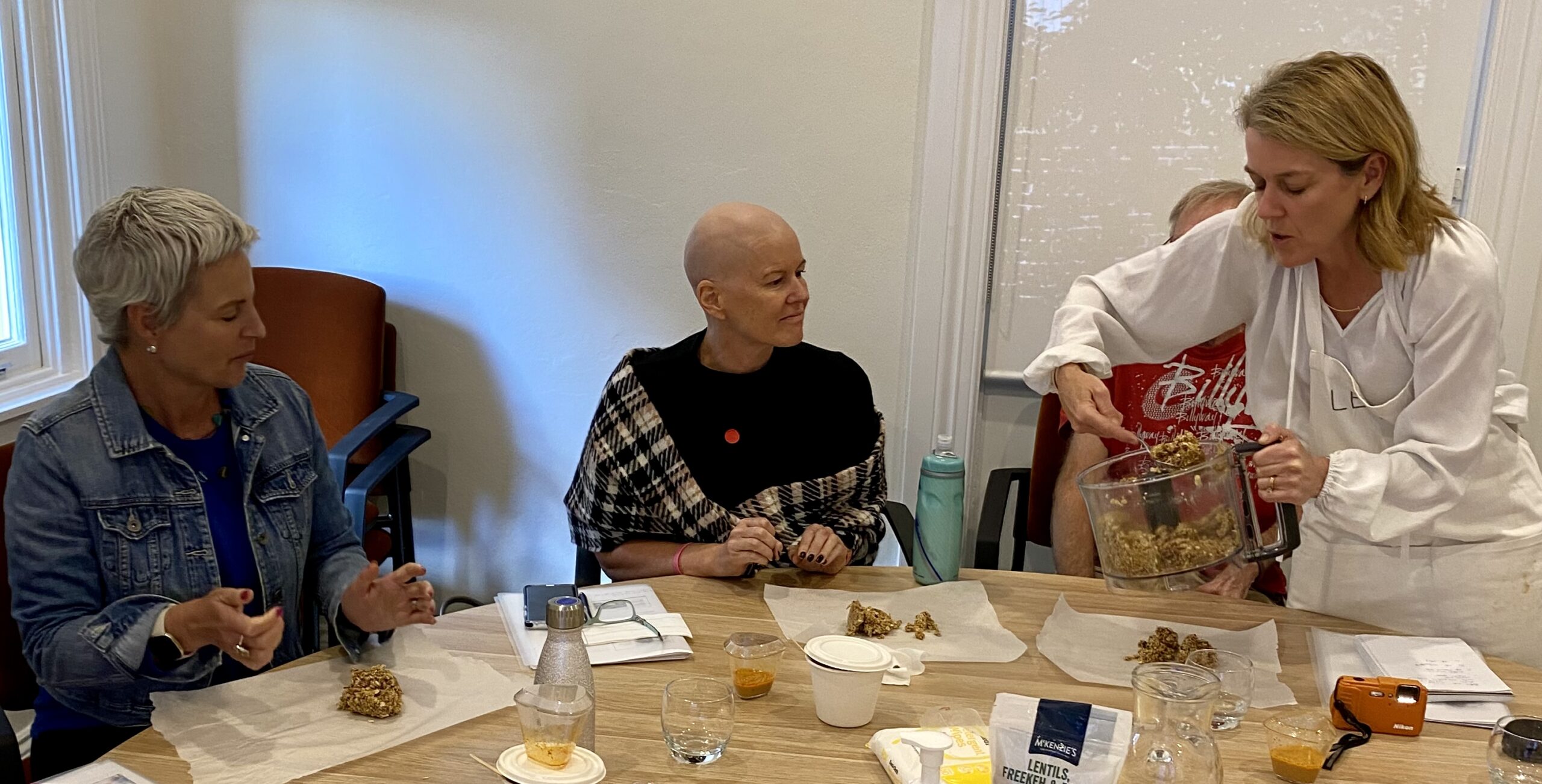
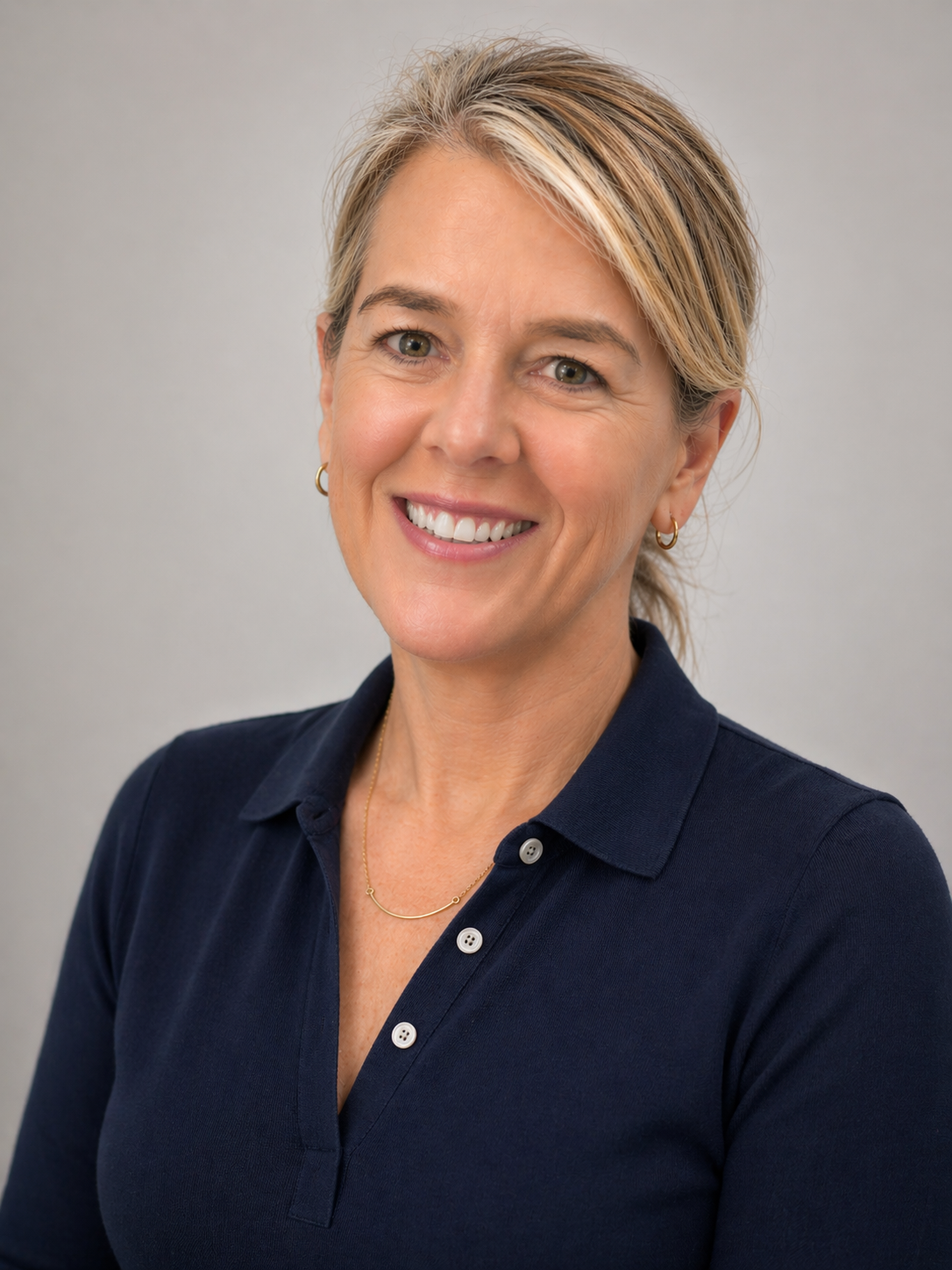
I’m Jane Freeman, an Accredited Practising Dietitian with more than 25 years of experience in oncology nutrition. I help people living with and beyond cancer understand their changing nutrition needs and turn that into practical, everyday food choices that support treatment, recovery and long-term health.

I also support people after cancer treatment to rebuild strength, improve health and make sustainable dietary changes that evidence has shown as supportive of overall treatment efforts to help reduce the risk of cancer returning.

Jane-working
Working together

Consultations & Additional Support

We start with a private initial consultation that is tailored to your needs. You are then offered an additional support with the full access to the Cancer Kitchen program.

Start with a personalised consultation

A one-on-one consultation tailored to your diagnosis, treatment plan, symptoms and goals. Together we’ll review your current situation, identify your key nutrition priorities and create a practical plan that supports your health, treatment and recovery.

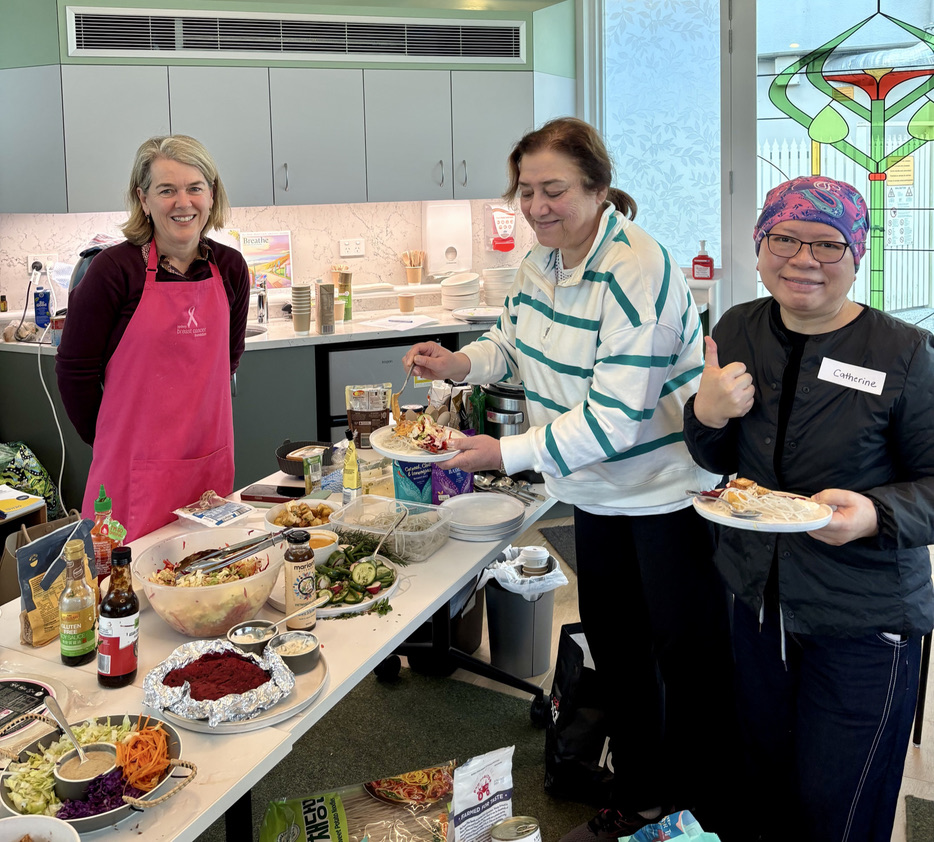
Get extra support with Cancer Kitchen

Many people leave their consultation knowing what they should do, but find it harder to make those changes consistently at home. For people wanting extra support, I offer an optional follow-up pathway that includes a progress review consultation and access to Cancer Kitchen.

Their Words

Market Wholefood
smoothie from Jane
How nutrition can help

Personalised nutrition support can help you:

  • Maintain strength and muscle mass
  • Improve energy and recovery
  • Manage treatment side effects
  • Improve appetite and food intake
  • Support the immune system, gut health and digestion
  • Manage weight and body composition changes
  • Navigate supplements and conflicting nutrition advice
  • Feel more confident about what to eat

Food won’t change your diagnosis, but the right nutrition can help you feel stronger, function better and support how you respond to treatment. Eating well can also influence your health and quality of life during and after treatment.

Why working with a cancer dietitian?

Cancer nutrition is never one-size-fits-all.

Your diagnosis, treatment plan, symptoms, food preferences and health goals are unique to you.

I take the time to understand your whole picture, including your treatment plan, symptoms, blood results, nutrient needs and lifestyle, and create a personalised nutrition plan that supports your health and fits into real life. Nutrition advice only works when it’s practical enough to follow.

I’ve supported people with breast cancer, bowel cancer, pancreatic cancer, stomach cancer, blood cancers, brain tumours, prostate cancer, ovarian cancer and many other cancer types through treatment, recovery and survivorship.

Whether you’re newly diagnosed, currently undergoing treatment, managing side effects or rebuilding your health after treatment, nutrition support can be tailored to your individual needs.

Common reasons people book

  • Knowing what to eat for your cancer and treatment.  Evidence based guidance on what to eat more or less of for your type of cancer and treatments. 
  • Weight, strength and body changes.  Support for weight loss or gain, muscle loss, body composition changes, bone health and lymphoedema concerns.
  • Eating difficulties and treatment side effects.  Help with appetite loss, taste changes, nausea, reflux, swallowing difficulties, digestive issues and bowel changes.
  • Turning advice into action.  Practical guidance on meals, snacks, supplements, better food buys and any supplement needs.
Medicare rebates may be available

Nutrition care should be accessible.

If you are living with cancer or another chronic condition, you may be eligible for Medicare-rebated dietitian consultations through a Chronic Disease Management Plan arranged by your GP.

What this means:
  • Up to 5 allied health visits per calendar year
  • Medicare rebate available for eligible dietitian sessions
  • Private health rebates may also apply
  1. Speak with your GP about a Chronic Disease Management Plan
  2. Ask for a referral to a dietitian
  3. Bring the referral to your appointment

If you’re unsure whether you are eligible, please get in touch and I can help guide you.

Experience you can trust

Reading Corner

The Latest from the Journal

Scroll
Copy link